Updated on June 10th, 2026
When I first revisited How to Read a Book, a timeless guide to mastering the art of reading, I realised how much my habits had drifted into fast-scrolling and shallow skimming. Most people read a book by glancing at the cover, scanning through the blurb, and then jumping into the first chapter. According to the authors, Mortimer J. Adler and Charles Van Doren, this is the wrong approach. The book reminded me that real learning is not just about finishing pages — it is about engaging with ideas, questioning arguments, and allowing the mind to grow through deep reading.
Today, I want to share how these insights reshaped the way I read, think, and absorb knowledge, especially in a world overflowing with digital noise.
Why Skimming Feels Efficient but Delivers So Little
Most of us skim — not because we choose to, but because the digital world trains us to. I noticed that I could read articles quickly, browse headlines effortlessly, and jump from one notification to another. But when it came to recalling or applying what I had read, the clarity was missing.
Skimming provides surface-level understanding. Deep reading, on the other hand, activates analysis, reflection, and comprehension — the very skills that make reading meaningful.
The Four Levels of Reading That Changed My Approach
The author explains four levels of reading. Understanding them changed how I approach every book.
The first level is Elementary Reading. It is the most basic stage. Here, we decode words and sentences. The goal is simple understanding.
The second level is Inspectional Reading. This is purposeful skimming. It helps you quickly grasp a book’s structure. The book reveals its subject matter to you. You can see the way it makes you wonder. You decide whether it deserves deeper reading. I once felt guilty about skimming. Now I see it as a necessary first step. It helps me judge how much time a text truly needs.
Next comes Analytical Reading. This is the core of deep reading. You slow down and examine arguments with care. You ask questions, challenge assumptions, and record meaningful notes along the way. This level demands effort. The clarity it brings makes every minute worthwhile.
The final level is Syntopical Reading. It is powerful but rarely practised. Here, you read several books on the same topic. You compare ideas. You form your own understanding. This approach has helped me connect insights from philosophy, psychology, and personal development. It creates a depth that no single book can offer.
Deep Reading in the Age of Digital Distraction
With constant notifications and an overload of information, our minds have become trained to skim rather than truly absorb what we read. That’s why deep reading is no longer just a technique—it has become a discipline, a deliberate way to reclaim mental clarity and focus. I noticed this especially when reading on screens; I would rush, scan, and miss the deeper meaning. But the moment I switched to a physical book, started annotating the pages, and reread challenging sections, my understanding improved instantly. Deep reading strengthens several essential abilities at once: it sharpens critical thinking, enhances long-term memory, improves focused attention, and builds real cognitive depth. In many ways, it feels like a workout for the brain—slow, intentional, and incredibly rewarding.
Practices That Helped Me Become a Better Reader
Here are the habits that changed everything for me:
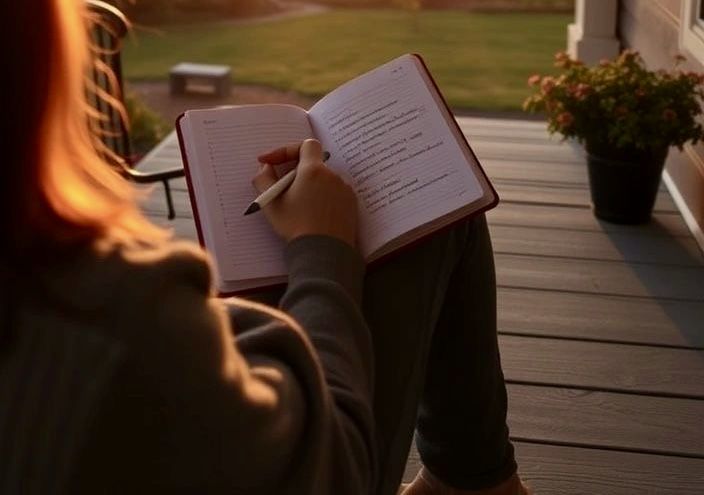
- Annotating actively — writing in the margins, highlighting, summarising.
- Rereading tough sections instead of rushing ahead.
- Reflecting after every chapter — what did I learn? What questions remain?
- Slowing down — embracing the slow reading movement rather than counting pages.
- Connecting ideas, especially when reading multiple books on related topics.
These small shifts made reading feel less like a race and more like a conversation — one that enriches the mind.
Final Thoughts: Reading as a Lifelong Practice
Deep reading is not a lost art — it is a rediscovered one. As I embraced the teachings of How to Read a Book, I realised that reading is not about consumption; it is about transformation.
In a world obsessed with speed, reading slowly, deeply, and thoughtfully is an act of personal growth. If you feel overwhelmed by information or disappointed by how much you forget, this may be the path back to clarity.
Start with one book. Read it deeply. Think with it.
The results might surprise you.
Stories Around Every Turn from Kasol to Tosh

A memorable journey to Tosh filled with mountain views, peaceful streets, cafés, and unforgettable travel memories.


No Comment