Over the last two and a half decades as an education consultant based in India, I have witnessed global education trends rise, mature, and sometimes fade away. Europe, however, has followed a different trajectory—one that has steadily strengthened with time. Having travelled extensively across multiple European countries and interacted closely with universities, immigration professionals, and Indian students living there, I can say with conviction that 2025 represents a turning point in the European study and migration landscape.
Europe is no longer positioning itself merely as a place to study. Now, it openly encourages international graduates to stay, work, and integrate in the region.
Classrooms to Careers: Europe’s Shift in Thinking
For many years, studying abroad meant one thing: get a degree and return home. That narrative is now outdated. Across Europe, and particularly within the Schengen countries, there is a clear and deliberate shift toward retaining international graduates.
Germany has set the tone by offering students 18 months after graduation to search for skilled employment. This is not just a policy on paper; it is a reflection of Germany’s economic reality and its need for global talent. France, the Netherlands, Spain, and Portugal have followed similar paths, making it increasingly easier for graduates to move from academic life into professional roles.
Through firsthand interactions with students and employers during my travels, I have witnessed how this transition works in practice. Once a student secures relevant employment, the journey toward work permits, residence cards, and eventually permanent residency becomes structured and achievable. Now, Europe clearly links education to long-term stability and growth.
A Bigger, More Open Europe: The Expanded Schengen Area
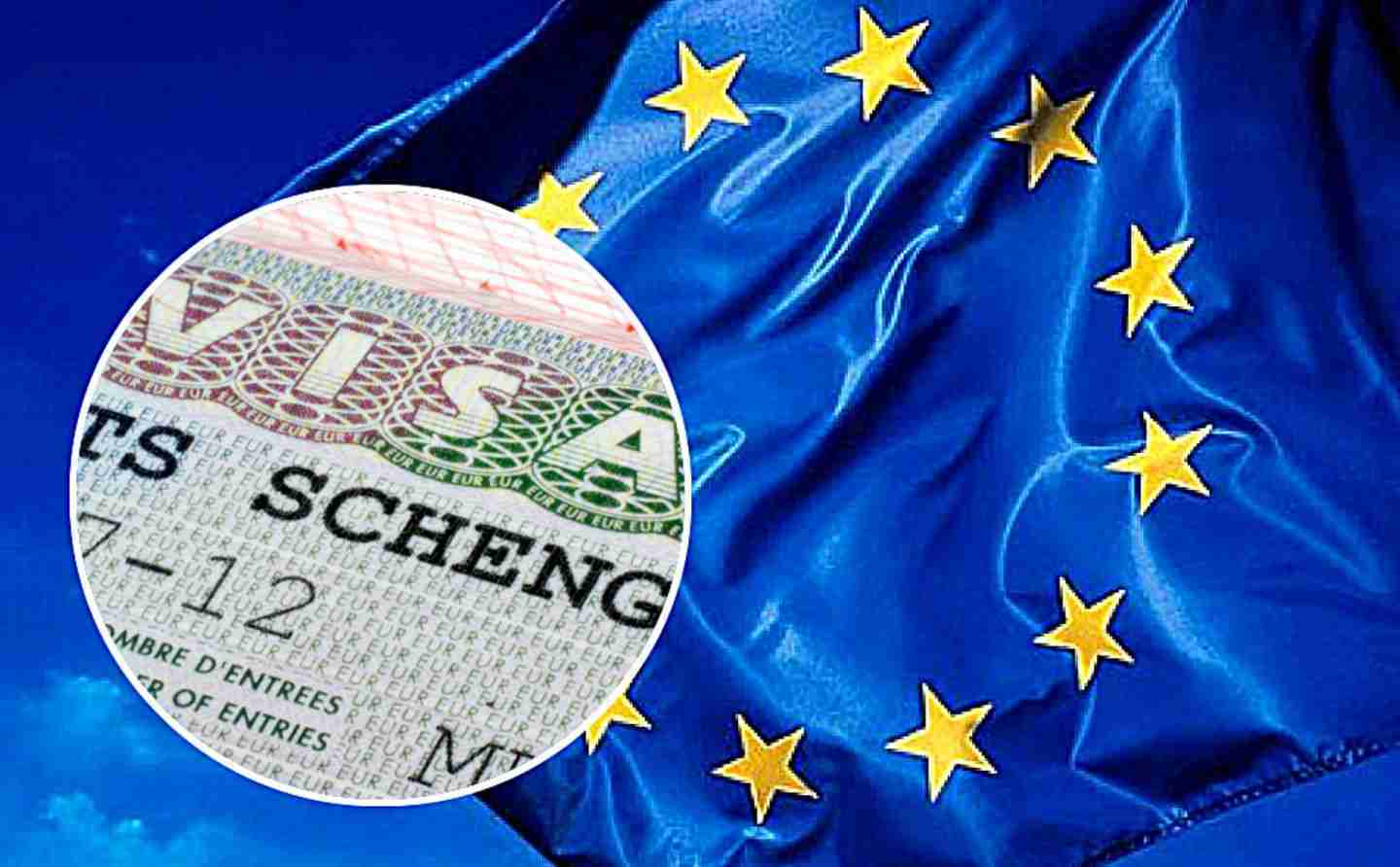
In January 2025, Romania and Bulgaria officially joined the Schengen Area, expanding it to twenty-nine member countries. While this may sound like a technical update, its impact on students is profound.
An expanded Schengen means smoother travel, easier academic mobility, and broader access to internships and work opportunities across borders. Having personally travelled through both Eastern and Western Europe, I can say with confidence that countries like Romania and Bulgaria offer excellent education at comparatively lower living costs. Their inclusion strengthens Europe’s position as a unified and student-friendly region.
Beyond Germany: Study Options for Indian Students
While Germany rightly continues to dominate conversations about studying in Europe, Indian students and parents need to understand that Europe is far larger than just one country. Over my years of counselling students and travelling extensively across Europe, I have seen several smaller nations quietly create strong, practical pathways for international students—especially those seeking affordability, English education, and real work exposure.
Two such destinations that deserve special attention today are Malta and Latvia.
Malta: An English-Speaking European Country Built on Opportunity
Malta holds a unique position in Europe. It is a fully English-speaking country, which immediately removes one of the biggest challenges Indian students often face while studying abroad. English is not just the language of instruction here—it is the language of daily life, work, and administration.
Malta closely aligns its education with its strongest economic sectors. Being a tourism-driven country, Malta offers excellent programs in hospitality, tourism management, business studies, IT, and healthcare-related fields. What makes these programs particularly attractive is their practical orientation. Students are not limited to theoretical learning; they are exposed to real industry environments, which enhances employability.
From my professional interactions and student feedback, Malta stands out for its abundance of part-time job opportunities. Hotels, restaurants, cafés, travel services, and customer-facing roles consistently require manpower. This allows students to support themselves financially while gaining European work experience—an advantage many larger countries struggle to offer.
Life in Malta is safe, compact, and welcoming. With short travel distances and a strong international student presence, adjustment becomes easier. For Indian students who want an English-speaking European education combined with steady work opportunities, Malta presents a balanced and realistic option.
Latvia: Affordable European Education Without Compromising Quality
Latvia has emerged as one of Europe’s most cost-effective and academically sound study destinations, especially for Indian students entering Europe for the first time. Over the years, Latvian universities have invested heavily in English-taught programs while maintaining European academic standards.
Students in Latvia can pursue degrees in business, management, information technology, engineering, logistics, and healthcare-related disciplines. The education system emphasizes applied learning and industry relevance, making graduates well-prepared for real-world roles.
One of Latvia’s strongest advantages is its low tuition fees and affordable living costs compared to Western Europe. This makes it an ideal choice for families looking for quality education within a manageable budget. Despite its affordability, Latvia offers full access to the Schengen region, giving students the freedom to travel, explore, and seek broader exposure across Europe.
Part-time work opportunities are available during studies, particularly in service industries, logistics, retail, and IT support roles. While Latvia’s economy is smaller than that of Germany or France, it offers genuine, accessible work experience in a safe and well-organized environment.
Riga, the capital city, has developed into a vibrant academic hub with a growing international student community. Safety, cleanliness, and efficient public transport further enhance Latvia’s appeal as a student-friendly country.
Choosing the Right European Path
From my perspective as an education consultant, the most important decision is not choosing the most popular country, but choosing the right country. Malta is particularly well-suited for students who wish to work extensively during their studies in an English-speaking environment, especially in hospitality, tourism, and service-based careers. Latvia, on the other hand, is ideal for students focused on academic strength, affordability, and structured European exposure in fields like IT, engineering, and logistics.
For Indian students, Europe offers world-class education, cultural exposure, and long-term career opportunities—but a well-prepared visa application is the key that opens this door. By staying informed about visa rules, choosing the right country, and submitting accurate documentation on time, you reduce uncertainty and increase your chances of success. Take the first step wisely and let Europe become the foundation of your global academic journey.
Drop a text on WhatsApp for right guidance +91-9888481965
Master’s in Tourism and Recreation (M.A.) at EIIET Berlin

Master’s in Tourism and Recreation program, offered by the esteemed Institute of Berlin (EIIET) in partnership with the University of Tourism and Hotel Management (WSTiH). This intensive two-year postgraduate course meticulously equips ambitious students with the advanced skills and knowledge to position themselves as financial and strategic leaders in the ever-evolving tourism industry.


No Comment