Updated on June 12th, 2026
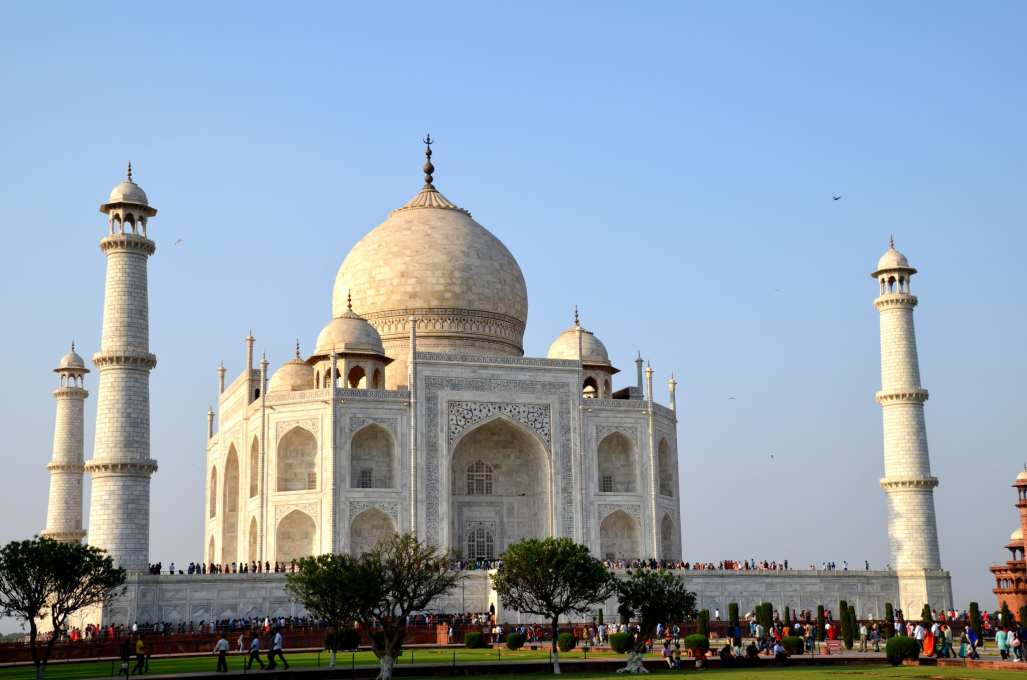
A symbol of eternal love, the Taj Mahal is one of the world’s most famous and beautiful buildings. Mughal Emperor Shah Jahan built the Taj in memory of his third wife, Mumtaz Mahal. In 1631, Mumtaz Mahal died during the birth of their 14th child, Gauhara Begum, when Shah Jahan was on an expedition to the south and, like always, Mumtaz Mahal accompanied him. When Mumtaz Mahal died, she was just 39 years old. She was the emperor’s beloved wife and trusted companion, travelling with him all over the Mughal Empire.
Title of Mumtaj Mahal
Initially known as Prince Khurram, Shah Jahan met Persian Princes’ Arjumand Banu and fell in love with her. After five years, in 1612, they got married. In 1628, Shah Jahan became emperor and gave her the title ‘Mumtaz Mahal,’ meaning ‘Jewel of the Palace.’
On the death of Mumtaj, the Emperor was so heartbroken that he ordered the court into mourning for two years. After her death, Shah Jahan erected the world’s most beautiful monument in memory of his beloved. Before she passed, she had her husband’s promise to build something unique in her memory.
Taj Mahal stands in the city of Agra, in the northern Indian state of Uttar Pradesh, on the banks of the Yamuna River. It took 22 years and the labour of 22,000 workers to construct the monument. This was the last wish of Mumtaz Mahal.


Poets described the beauty of the Taj
Built as the ultimate expression of love, the Taj remained a fascination for many poets and lovers.
Here are lines from an exquisite song written by Shakeel Badayuni:
“Ek Shahanshaah Ne Banavaa Ke Hasi. N Taaj mahal.
Saarii Duniyaa Ko Muhabbat Kii Nishaanii Dii Hai”
(In having the beautiful Taj Mahal built, an emperor has given the entire world a token of love.”
Rabindranath Tagore described the Taj as “a teardrop on the cheeks of time”.
Emperor Shah Jahan himself described the Taj in these words:
Should the guilty seek asylum here?
Like one pardoned, he becomes free from sin.
Should a sinner make his way to this mansion,
All his past sins are to be washed away.
The sight of this mansion creates sorrowful sighs.
And the sun and the moon shed tears from their eyes.
In this world, this edifice has been made.
To display the creator’s glory.
It is best described by the English poet Sir Edwin Arnold as ‘Not a piece of architecture, as other buildings are, but the proud passions of an emperor’s love wrought in living stones.’

Taj is the centre of Pilgrimage
In Agra, once the capital of the Mughal Empire during the 16th and early 18th centuries, the Taj is the centre of Pilgrimage. Tourists from all over the world visit Agra to see the Taj. It is 125 km south of New Delhi, the capital of India. Travelling by road takes you approximately 4 hours to reach Agra from Delhi. There are regular luxury bus and coach services between Delhi and Agra. If you catch a flight from Delhi to Agra, in just 30 minutes, you find yourself at the Kheria Airport of Agra, 7 km from the city centre and 3 km from the railway station.
There are different entrance gates to visit the Taj. They made the main entrance gate of red sandstone. It is 150 ft. Wide and nearly 100 ft. high, it consists of a lofty central arch with double-storeyed wings on either side. The whole courtyard of the Taj is framed in symmetry. The only asymmetrical object in the Taj is the emperor’s casket, which was built beside the queens as an afterthought. The symmetry of the structure is there even in the flowerbeds and the small gardens dotting the place.
The real tragic part of the love story lies in the final years of Shah Jahan. When he was 65, his son Aurangzeb imprisoned him in the Red Fort at Agra and became the throne’s successor. While he was in prison, he somehow managed to gaze at Taj from the prison grill.
Beauty designed in stones
Surrounded by beautiful gardens and fountains, the Taj attracts you to see the ultimate beauty designed in stone. A green carpet of the garden runs from the main gate to the foot of the Taj Mahal. According to the holy Koran, a garden symbolises paradise.
I visited Taj during my recent visit to Delhi on the 23rd of February. I went to Delhi to receive Bhawana, who was coming from Australia, and we planned to visit Agra before coming back to our place. It was an all-time fascination for me to be there, breathe in the air, and touch the Taj. The beauty of the Taj has everything to leave a lifelong impression on everybody’s mind. I still feel all vibrations; I felt being over there. Though it was a concise visit, we really enjoyed being there. Our ‘guide boy’ described all the details related to the Taj. The monument looked huge as we entered, but as we approached, it receded to its actual size. They called this geometric illusion.
Taj changes colours with changing daylight
Very interesting, Taj changes colours with changing daylight. They built it to reflect the sky, pinkish in the morning, milky white in the evening, and golden by moonlight. As the day turns to night and the sun completes its journey, and the moon comes to heal the world, Taj becomes a mystery. You may even forget to breathe or blink, wondering if it’s real or some illusion. Changing the colours of the Taj signifies a woman’s changing moods.
Impressed by the Taj’s flawless beauty, I wish to visit it again and again. Long live Taj and long live feelings of undying love, it is made for.
The article was written in 2011, so the dates mentioned regarding my visit to the Taj belong to 2011
Master’s in Tourism and Recreation (M.A.) at EIIET Berlin

Master’s in Tourism and Recreation program, offered by the esteemed Institute of Berlin (EIIET) in partnership with the University of Tourism and Hotel Management (WSTiH). This intensive two-year postgraduate course meticulously equips ambitious students with the advanced skills and knowledge to position themselves as financial and strategic leaders in the ever-evolving tourism industry.


No Comment